Signs Your Hackney Wood Floor Is Ready for Sanding and Refinishing
If your timber floor has lost its warmth, looks patchy in the light, or feels rougher than it used to, it may be time to look closely at whether it needs professional sanding and refinishing. At Floor Sanding Hackney, many homeowners across Hackney contact us when their boards start looking tired, scratched, dull, stained or uneven, and often the signs have been building for months before they become impossible to ignore. Whether you have Victorian pine floorboards, engineered timber, oak planks or parquet, recognising the warning signs early can help you protect the wood and avoid bigger repair costs later. The local site also confirms a full range of floor sanding services, practical guidance on how the process works, and current floor sanding prices in Hackney.
For many property owners, the hard part is not deciding whether they want a beautiful floor again. It is knowing whether the floor needs a light maintenance treatment, a buff and recoat, or a full sand and refinish back to bare wood. According to the National Wood Flooring Association, a complete sand and refinish is generally recommended where there is damage such as deep scratches, dents, or worn-through finish exposing bare wood. That is the key distinction: a floor that is merely dull may need less, while a floor with genuine timber damage usually needs proper restoration.
The clearest sign: the finish has worn away
The first and most important thing to understand is that floors are protected by their finish, not by wishful thinking. Lacquer, oil or hardwax oil is the barrier that takes the daily abuse from shoes, chair legs, pet claws and spills. Once that protective coat has worn thin or disappeared in high-traffic areas, the wood underneath starts to suffer. That is when you see pale traffic lanes, faded patches in doorways, or a floor that looks dry and “thirsty” no matter how much it is cleaned. NWFA says sanding and refinishing is appropriate when the finish has worn away and bare wood is exposed.
In Hackney homes, this often shows up first in hallways, living rooms, under dining tables, and along routes between the front door and kitchen. If the sheen is gone in those areas but remains around the edges, that is rarely a cleaning issue. It usually means the finish has broken down unevenly and the floor needs professional attention before dirt and moisture start getting into the grain. If you are unsure whether your floor is suffering from finish loss or a broader structural issue, the site’s FAQs and Services pages give a good overview of what sanding, repairs and finishing involve.
Your floor looks dull even after cleaning
A common complaint is: “I’ve cleaned it, but it still looks lifeless.” That is a classic sign of an ageing finish. Dirt sits differently on worn coatings, and once the protective layer becomes microscopically scratched and tired, mopping will not bring back clarity or richness. Instead, the floor can look cloudy, flat or permanently grubby.
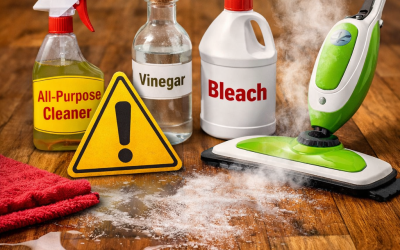
This is especially common with older lacquered floors that have not been refreshed for years, and with oiled floors that have had inconsistent maintenance. The solution is not stronger cleaning products. In fact, harsh cleaners can make the problem worse by dulling the remaining finish and leaving residues. Once the surface has reached this stage, sanding and refinishing is often the smartest long-term fix because it removes the tired top layer and allows a fresh, even finish to be applied. The Hackney site notes that buffing and polishing may suit some lightly worn floors every couple of years, but heavily worn or damaged floors usually need more than that.
Scratches are no longer just on the surface
Fine hairline marks are normal in a lived-in home. Deep scratches are not. When scratches cut through the finish and into the wood, they stop being cosmetic and start becoming restoration issues. NWFA specifically identifies deep scratches and flooring damage as a reason to choose a complete sand and refinish.
You can usually tell the difference by colour and texture. Surface marks sit in the top coat and are most visible in reflected light. Deeper scratches tend to look lighter, rougher, and more obvious from different angles because they have cut into the timber itself. Around sofas, dining chairs, hallway runners and pet feeding areas, those scratches can accumulate quickly. When they are widespread, spot-fixing rarely gives a good visual result. A professional full sand creates a uniform surface again and allows the final lacquer or oil to sit properly across the whole room.
If your floor is scratched but also creaking, has open joints or loose boards, it is worth combining restoration with wood floor repair services. The verified services page confirms that repairs, gap filling, sanding and finishing are all part of the company’s core offer in Hackney.
Splinters, rough grain and raised edges are appearing
A healthy finished floor should feel smooth underfoot. If it catches socks, feels rough in bare feet, or produces small splinters near board edges, that is a strong sign that the finish is failing and the wood fibres are now exposed. This matters both visually and practically. Exposed grain absorbs dirt more easily, becomes harder to clean, and is more vulnerable to further damage.
Raised board edges can also indicate movement caused by seasonal humidity changes or moisture imbalance. Sanding on its own is not always the first answer here, but if the floor is stable and the roughness comes from age and finish wear, sanding and refinishing can restore both appearance and usability. If there is active movement, localised board replacement or subfloor correction may be needed before sanding starts. That is one reason professional assessment matters.
Stains have sunk into the wood
Surface marks can often be cleaned. Dark stains, blackened patches, pet accidents, plant-pot rings, drink spills and old water marks are different. Once moisture gets past a compromised finish, it can discolour the timber itself. At that point, no amount of standard maintenance will remove the stain completely.
This is one of the clearest signs that refinishing is due. A professional sand removes the stained upper fibres where possible, then the floor can be refinished in clear lacquer, oil, hardwax oil, or with stain if you want to alter the tone. The Hackney prices page confirms options for clear lacquer, hardwax oil, wood floor oil, staining and even lime-washing, so there is flexibility depending on the look you want and how hard the room works in daily life.
Gaps, movement and minor damage are becoming more noticeable
Sanding and refinishing is not just about aesthetics. Sometimes the floor is telling you it needs restorative work because the boards are separating, creaking or looking untidy around old repairs. The Hackney services page specifically highlights gap filling with resin, slivers and silicon for creaks, draughts and wider board gaps, as well as repair work before finishing.
Small seasonal gaps can be normal, especially in older properties. But larger, persistent gaps, filler popping out, or visible movement underfoot suggest the floor may benefit from a more complete restoration plan. If sanding is carried out without addressing those issues first, the visual result may still look poor. Done properly, repairs come first, then sanding, then finishing. That order matters.
Parquet is losing its pattern definition
Parquet floors often hide their wear better than straight boards because the eye is drawn to the pattern. But once the blocks start looking blotchy, dull or heavily scratched, the elegance disappears quickly. The Hackney services page confirms that parquet sanding, restoration and repair are offered, which matters because parquet requires a more delicate approach than standard strip flooring.
If your parquet has lost crispness in the light, shows adhesive-related issues, has loose blocks or a patchwork appearance from old repairs, it may be time for professional restoration. The right sanding sequence and finishing system can bring back the pattern without making it look overworked or overly glossy.
You are repeatedly cleaning, covering or rearranging to hide the problem
A practical test: are you living around the floor rather than enjoying it? If you keep moving rugs to cover worn patches, avoiding certain angles of light, or apologising for how the boards look, the floor is probably ready for restoration. A good timber floor should support the room visually. It should not drag the room down.
This is common in period Hackney flats and terraces where original boards have charm but also years of wear. The good news is that restoration usually delivers a dramatic improvement because the timber itself often has far more character than the tired finish sitting on top of it.
How do you know if your floor needs a recoat or a full sand?
This is one of the most useful distinctions homeowners can make. A recoat or maintenance top-up can work when the existing finish is intact and the problem is mainly light wear, minor surface scratches and reduced sheen. A full sand and refinish is more suitable when there are deep scratches, exposed timber, stains in the wood, rough texture, or old coatings that are failing unevenly. NWFA’s guidance supports this threshold, with full sanding recommended where damage is in the wood or the finish has worn away.
If you are not sure, ask yourself three questions:
- Does the floor still have an even protective finish?
- Are the marks only superficial?
- Does it look dull, or actually damaged?
If the answer to the first is no, or the last is yes, a full restoration is usually the better investment.
What happens during professional sanding and refinishing?
The Hackney site’s verified pages explain that the company offers assessment, sanding, repairs, finishing and aftercare, while the FAQs state that an average lounge, bedroom or hallway may take about a day to sand, depending on condition and repairs needed. The site also notes the use of equipment with dust-eliminating features rather than old-fashioned messy sanding methods.
A typical professional process includes:
- inspecting the floor and identifying repairs
- replacing or securing damaged boards where needed
- filling suitable gaps
- sanding progressively to remove the old finish and level the surface
- fine finishing passes for smoothness
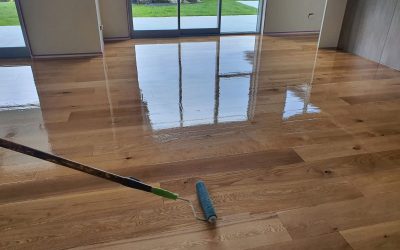
- applying your chosen finish system
Where product choice matters, it is useful to know that Bona Traffic HD technical information states recoating can be done after 2–3 hours, light use is typically possible after 24 hours, and full cure is around 7 days under normal conditions. Osmo Polyx-Oil guidance says drying time is typically around 8–10 hours and full curing is around 10–14 days, depending on conditions. That difference is one reason finish choice should match the household, traffic level and how quickly you need the room back in use.
For additional product guidance, you can also review the manufacturer advice from Bona.
Is it worth sanding before the damage gets worse?
Usually, yes. Catching the problem early often means a cleaner, simpler job and a better final finish. Once the bare wood starts taking wear directly, damage builds faster. Dirt becomes embedded, stains deepen, edges fray, and repairs can become more extensive. Acting sooner can protect both the appearance and lifespan of the floor.
It can also be more cost-effective. The Hackney prices page lists guideline rates that show the value of doing the work in a structured way, with sanding-only, lacquer, oil and hardwax systems all available depending on the result you want.
Why Hackney homeowners choose professional refinishing
A timber floor can absolutely transform a room, but only when it is done properly. The Hackney site states that the company has over 35 years of sanding experience, is a member of the National Wood Flooring Association, and offers a broad package covering sanding, repairs, parquet work, finishing and maintenance. That breadth matters because tired floors rarely need just one thing. They need the right diagnosis first, then the right restoration approach.
If your floors are looking flat, scratched, stained, rough or worn through in the busy parts of the home, those are not small cosmetic nuisances. They are the signs that your floor is asking for attention. A well-timed sand and refinish can bring back colour, clarity, protection and value in a way that repeated cleaning or quick fixes never will.
If you are ready to restore the look of your boards, start with the homepage or request an estimate via the site’s Get a Quote page. You can also review the current Hackney floor sanding prices before booking.