Key Takeaways: Victorian pine restoration requires a specialist approach to handle delicate timber. Use Zirconia 40-grit for initial passes on uneven boards. Draft proofing with reclaimed slivers is essential for thermal efficiency. Osmo Hardwax Oil is the gold standard for period-accurate, breathable finishes.
The Problem: The Hidden Decay of Period Floorboards
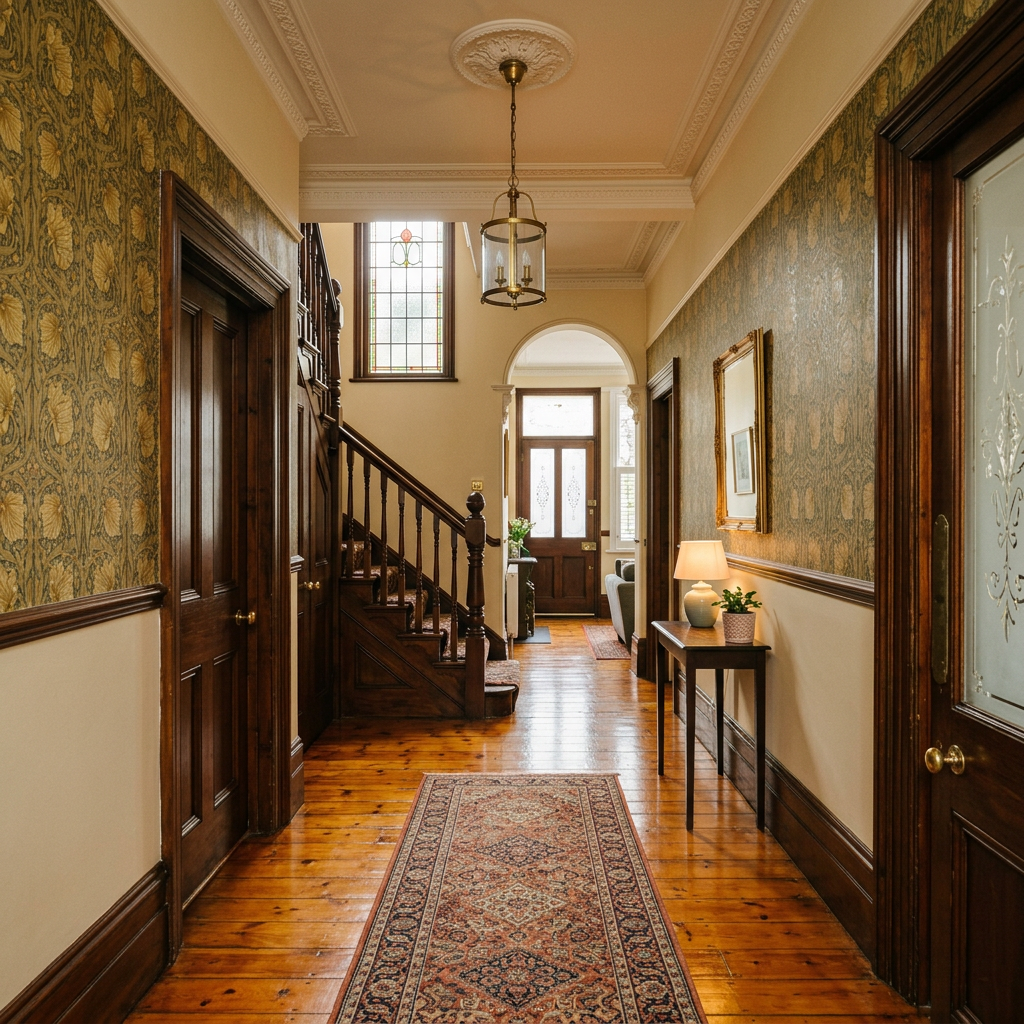
Many homeowners in the UK discover beautiful, original Victorian pine floorboards hidden beneath decades of carpet and lino. However, these boards often suffer from historical neglect, structural gaps, and the inevitable ‘cup’ or warp caused by over a century of fluctuating British humidity. Leaving these floors in their raw, damaged state leads to more than just aesthetic displeasure; it creates drafty rooms, inefficient heating, and the potential for splintering that ruins the tactile experience of a heritage home.
The Agitation: Why Amateur Sanding Ruins Heritage Timber
The temptation to hire a drum sander from a local DIY shop is high, but the risks are astronomical. Amateur tradesmen often lack the finesse required for heritage restoration. Using the wrong grit sequence can ‘eat’ through the precious wear layer of your timber, leaving deep gouges that are impossible to fix. Furthermore, failing to address the ‘tannin pull’ or ignoring the moisture content of the wood before applying a finish can lead to a patchy, peeling floor that requires a full re-sand within months, costing you more in VAT and materials in the long run.
The Solution: A Professional Heritage Restoration Framework
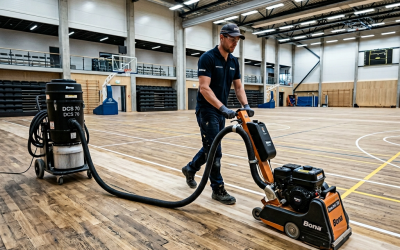
To achieve a professional finish, we follow a strict grit sequence. On uneven Victorian pine, we start with 40-grit Zirconia on our Bona Belt sander. This aggressive but controlled start levels the boards without destroying the character. We then progress through 60, 80, and finally 100 or 120-grit. For gap filling, we use a mix of resin and fine sawdust from the 80-grit pass to ensure a perfect colour match. For larger gaps, we use reclaimed pine slivers glued and hammered into place—a technique essential for authentic floorboards restoration.
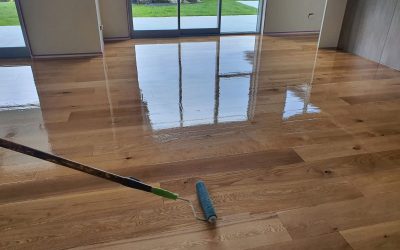
Pro-Tip: Before applying your final finish, consider ‘water popping’. By lightly misting the floor with distilled water, you raise the grain, allowing the Osmo Hardwax Oil to penetrate deeper and more evenly, providing a richer, more durable colour. For more on this, see our guide on wood floor finishes.
Our team at Floor Sanding Hackney understands the nuances of UK heritage homes. We recommend two coats of Osmo, allowing 8-12 hours between coats depending on the ambient humidity. This ensures the timber remains breathable while providing a robust barrier against daily wear. For further technical standards, refer to the NWFA guidelines.
Whether you are in a terrace house or a grand Georgian estate, professional floor sanding and restoration is an investment in your property’s value and comfort.